

Take a look at our list of 5 star hotels in Greece and experience a holiday in luxury and style ...
- Kefalonia accommodation
- All Kefalonia Accommodation
- Stay in Agia Efimia
- Stay in Argostoli
- Stay in Fiskardo
- Stay in Karavados
- Stay in Karavomilos
- Stay in Lourdata
- Stay in Lassi
- Stay in Lixouri
- Stay in Peratata
- Stay in Pessada
- Stay in Petani
- Stay in Poros
- Stay in Platis Gialos
- Stay in Ratzakli
- Stay in Sami
- Stay in Sarlata
- Stay in Skala
- Stay in Spartia
- Stay in Svoronata
- Stay in Vrahinari
- Stay in Vasilakades
- Stay in Trapezaki
- Stay in Katelos
- Reservations Form
- Accommodation in Greece
Hotels in Greece
 All Hotels in Greece
- Hotels in Greece
- Greece rooms
- Greece apartments
- Greece villas
- Greece Accommodation
- Accommodation special offers
Central Greece Hotels- Central Greece district
- Athens City hotels
- Aitoloakarnania hotels
- Attica hotels
- Evrytania hotels
- Evia island hotels
- Fokida hotels
- Fthiotida hotels
- Viotia hotels
Crete island HotelsCyclades islands Hotels- Cyclades islands hotels
- Amorgos hotels
- Anafi hotels
- Andros hotels
- Antiparos hotels
- Delos hotels
- Donoussa hotels
- Folegandros hotels
- Heraklia hotels
- Ios hotels
- Kea (Tzia) hotels
- Kimolos hotels
- Koufonissi hotels
- Kythnos hotels
- Milos hotels
- Mykonos hotels
- Naxos hotels
- Paros hotels
- Santorini hotels
- Schinoussa hotels
- Serifos hotels
- Sifnos hotels
- Sikinos hotels
- Syros hotels
- Tinos hotels
Dodecanese islands Hotels- Dodecanese islands hotels
- Agathonissi hotels
- Arkyi hotels
- Astypalea hotels
- Halki hotels
- Kalymnos hotels
- Karpathos hotels
- Kassos hotels
- Kastelorizo hotels
- Kos hotels
- Leros hotels
- Lypsi hotels
- Nisyros hotels
- Patmos hotels
- Rhodes hotels
- Symi hotels
- Telendos hotels
- Tilos hotels
Epirus Hotels- Epirus hotels
- Arta hotels
- Ioannina hotels
- Preveza hotels
- Parga hotels
- Syvota hotels
- Thesprotia hotels
Ionian islands Hotels- Ionian islands hotels
- Corfu hotels
- Ithaca hotels
- Kefalonia hotels
- Kythira hotels
- Lefkada hotels
- Paxos & Antipaxos hotels
- Zakynthos hotels
Macedonia Hotels- Macedonia hotels
- Grevena hotels
- Kastoria hotels
- Kozani hotels
- Florina hotels
- Imathia hotels
- Thessaloniki hotels
- Chalkidiki hotels
- Pieria hotels
- Pella hotels
- Kilkis hotels
- Drama hotels
- Kavala hotels
- Thasos island hotels
- Serres hotels
North-eastern Aegean Hotels- North-eastern Aegean hotels
- Agios Efstratios hotels
- Chios hotels
- Fourni hotels
- Ikaria hotels
- Lesvos hotels
- Limnos hotels
- Oinousses hotels
- Psara hotels
- Samos hotels
Peloponnese Hotels- Peloponnese hotels
- Achaia hotels
- Argolida hotels
- Arcadia hotels
- Corinthia hotels
- Ilia hotels
- Lakonia hotels
- Messinia hotels
Saronic Gulf islands Hotels- Saronic Gulf islands hotels
- Agistri hotels
- Aegina hotels
- Hydra hotels
- Poros hotels
- Salamina hotels
- Spetses hotels
Sporades islands HotelsThessaly Hotels- Thessaly district hotels
- Kalambaka hotels
- Karditsa hotels
- Larissa hotels
- Magnesia hotels
- Pelion hotels
- Trikala hotels
Thrace Hotels
Find the appropriate accommodation in Greece.
You need to upgrade your Flash Player
Please visit Adobe's Flash Player site to upgrade the most recent version.
Thank you.
If you are having issues with installing Adobe Flash Player, please make sure that all "pop-up killer" applications are turned off and you reinstall
the Adobe player.
Kefalonia island
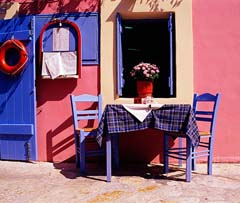
Information about Kefalonia
general information
- Kefalonia belongs to the Ionian islands cluster
- Kefalonia covers around 592,022 square km
- Inhabitants approximately 108,046
- Capital is Kefalonia City
- Coastline of 217 km
- Connection with the ports of Igoumenitsa and Patra
- Connection by ferry with the other Ionian islands
- Kefalonia has its own International Airport with daily flights from Athens and thessaloniki

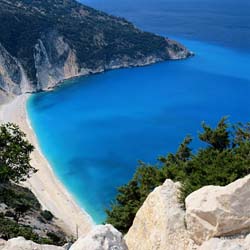
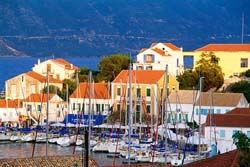 The largest island in the lonian, Kefalonia is a land of contrasts. Just for starters don't miss the view from the castle at Assos. In your left, spread out beneath your feet, ties the enchanting turquoise bay of Myrtos renowned for its afternoon sun and soft white sand. Or you might swim in the crystal ciear water of Poros. You can also go up to the top of Mt. Enos (1.628 metres above sea level). Its slopes are covered with tall, cadar-like fir trees that grow nowhere else in the world.
In other parts of the island you’ll run into groves filled with olive or orange trees and hilisides studded with grapevines; breathtaking golden beaches and deep coves, rugged rocky shores or visit famous caves.
The cave at Melissani is actually a partially covered subterranean lake. When the sun is directly overhead, its rays strike the ultramarine water, shattering into a myriad phantasmagorical colours. Drogorati, on the other hand, is known for its unusual stalagtites. In the area of Lassi, 1,5 kilometres from Argostoli, are the famous Katavothres (swallow- holes), a rare geological phenomenon. Here sea water enters openings in the rock and "disappears".
 Only recently were scientists able to trace it; they found that it travels northeast through underground all the way across the island finally to emerge at Melissani, near the village of Karavomilos, opposite Sami. (In the past water poured in at such a rate it was used to power two enormous sea mills.)
Of the old, immensely attractive city of Argostoli, the capital, which was destroyed by an earthquake in 1953, very little remains; one or two houses, the arched bridge stretching across the lagoon and the obelisk at its centre, which commemorates the date of its construction. During your stay there you could visit its interesting museums (Archaeological Museum: tel.: 28300; Folk Art Museum: tel.: 28835), its Library: tel.: 28221 and swim at the famous nearby beaches of Makris and Platis Gialos.
Lixouri, Kefalonia's second largest town, has a peaceful atmosphere, a lovely 19th century mansion-museum and vestiges of the ancient city of Pali. The beaches to the south are among the best on the island. South of Argostoli near the village of Domata lies the church of Panagia with an exceptional carved wooden on screen.
The Monastery of Agios Andreas near the village of Peratata has a wonderful icon collection.
Above the monastery looms the castle of St. George built by the Venetians in 1504. Within its walls there is a small piazza, the Kanoni, and north of it the ruins of the Catholic church of St. Nicholas. The view of the fertile valley and its villages spread out below the castle is splendid.
The area of Katelios in the southeast of the island, has two outstanding beaches, one near the seaside hamlet of Katelio and the other at Skala. In this area were discovered the ruins of a 3rd century B.C. building from the height of the Roman era, perhaps the home of a wealthy Roman businessman, which contains excellent, well-preserved mosaics.
In the east side of the island are Poros, Sami, and Agla Eflmla with its pebbled beach. Fiskardo, the northenmost harbour on Cephalonia, has kept its traditional colour. Lying opposite and very close to Ithaca, it is surrounded by a thick cypress glade.
In the west side of the island is Assos, a charming village built astride the isthmus of the peninsula of the same name, famous for its picturesque castle.
The good road network, which covers the whole island, makes it easy to explore Kefalonia from one side to the other: its deep blue waters, steep bare cliffs, lush valleys, picturesque, secluded villages.
Area Code 26610
Police +30.26610.22650
Medical Assistance +30.26610.45811-5, +30.26610.36044
Information G.N.T.O. +30.26610.37520
Road Assistance (E.L.P.A.) +30.26610.39504
Aeroport +30.26610.30180
Olympic Airlines (Athens): 210/9292111, 9666666
Olympic Airlines (Kefalonia): 26610/386994/6
Patras Port Authority: 2610/341002
Kefalonia Port Authority: 26610/32655
Igoumenitsa Port Authority: 26650/22235
Bus Terminal (Athens): 210 5124910-1, 5132601
Bus Terminal (Kefalonia, urban transport): 26610/32158
Bus Terminal (Kefalonia, inter-island transport): 26610/39862/31595
Bus Terminal Salonica: 2310/536260
Travel in Ionian
Travel in Greece
All GreeceCentral Greece- About Central Greece
- Athens City
- Aitoloakarnania
- Attica
- Evrytania
- Evia island
- Fokida
- Fthiotida
- Viotia
Crete islandCyclades islands- About Cyclades islands
- Amorgos
- Anafi
- Andros
- Antiparos
- Delos
- Donoussa
- Folegandros
- Heraklia
- Ios
- Kea (Tzia)
- Keros
- Kimolos
- Koufonissia
- Kythnos
- Milos
- Mykonos
- Naxos
- Paros
- Santorini
- Schinoussa
- Serifos
- Sifnos
- Sikinos
- Syros
- Tinos
Dodecanese islands- About Dodecanese
- Agathonissi
- Arkyi
- Astypalea
- Halki
- Kalymnos
- Karpathos
- Kassos
- Kastelorizo (Megisti)
- Kos
- Leros
- Lypsi
- Nyssiros
- Patmos
- Rhodes
- Symi
- Telendos
- Tylos
EpirusIonian islandsMacedonia- About Macedonia
- Halkidiki
- Drama
- Florina
- Grevena
- Hemathia
- Kastoria
- Kavala
- Kilkis
- Kozani
- Pella
- Pieria
- Serres
- Thasos island
- Thessaloniki
North-eastern AegeanPeloponneseSaronic Gulf islandsSporades islandsThessalyThrace
Plan your holidays in Greece and the Greek islands.